
 English
The New Front Line in Liver Health Monitoring
Every day, your liver works tirelessly behind the scenes to keep your body in balance. It neutralizes toxins from medications, alcohol, and environmental exposures, helping to protect your overall health. It produces bile, which is essential for proper digestion and the absorption of healthy fats and fat-soluble vitamins. The liver also serves as a storage hub for key nutrients, including iron and vitamins A, B12, D, E, and K, releasing them when your body needs them most. In addition, it regulates the metabolism of fats, proteins, and carbohydrates to support steady energy levels, and it produces vital proteins such as albumin and clotting factors that are essential for healing and maintaining internal stability.
Given the breadth of responsibilities your liver manages every single day, protecting its function is not just important: it’s essential. Despite this, liver disease remains one of the most overlooked health concerns in Canada. A 2025 survey revealed Canadians consider liver health a low priority regarding their overall health.[1] It is estimated that 1 in 4 Canadians are affected by liver disease, with projections suggesting a significant health crisis between 2030 and 2040.[2]
There is an urgent need for early detection and awareness about metabolic factors that may play a role with the disease’s progression. This is key, as some of the 400 types of liver disease can be treatable with lifestyle and dietary changes.
Some conditions are common, while others rare, and some are genetic-related diseases. These include the recently renamed metabolic dysfunction-associated steatotic liver disease or MASLD (you may know it from its previous name, nonalcoholic fatty liver disease or NAFLD), viral hepatitis, and alcohol-associated liver disease. It is often believed that liver conditions are a result of excessive alcohol intake, but this is a myth: there are many other causes for liver disease. These conditions can lead to serious complications, like cirrhosis or liver cancer, if left untreated. Early detection is essential.
Liver disease symptoms can include:
- Confusion
- Dark urine
- Fatigue
- Itchy skin
- Nausea
- Pale stools
- Unexplained weight loss
- Upper right abdominal pain
- Yellow skin/eyes (jaundice)
Evaluation of the liver can be performed in many ways. It starts with a conversation with your family doctor or naturopathic doctor about bloodwork to measure liver enzymes. If these enzymes are elevated, this can be a sign of inflammation or liver damage. This may prompt further investigation.
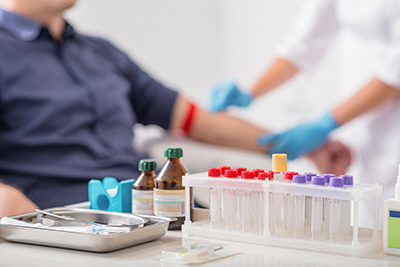
Methods used to assess liver health include:
- Blood tests: Liver panel
- Scans: Ultrasound, CT or MRI
- FibroScan®: A specialized liver ultrasound
In my practice, if blood tests show borderline-to-high values for liver enzymes, I routinely recommend a FibroScan®. This test gives detailed information about the health of the liver. It quantifies the amount of fat present in the liver and can assess the degree of scarring, if present. This test can be accessed through a physician’s referral or by booking directly with a private clinic. In Ontario, it’s not typically covered by the Ontario Health Insurance Plan (OHIP), so most of my patients opt to pay out of pocket. In some cases, partial reimbursement may be available through extended health-care plans. Be sure to check the coverage in your province.
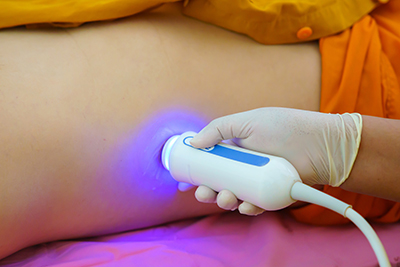
What Is a FibroScan®?
A FibroScan® is a quick, noninvasive scan that helps assess liver health. Using advanced ultrasound technology, it measures two important markers: fibrosis (liver scarring) and steatosis (fat accumulation).
Think of it as a wellness snapshot for your liver. The test takes just 5–10 minutes, is painless, and can help detect early changes of diseases, often before noticeable symptoms appear. Because liver concerns can develop quietly over time, tools like a FibroScan® allow health-care practitioners to monitor liver health in a simple and accessible way.

Why Consider This Test?
For individuals with risk factors (metabolic concerns, alcohol use, viral hepatitis, or abnormal liver enzymes), a FibroScan® supports monitoring and treatment decisions. It can also serve as a useful baseline assessment for those who want a proactive check of their liver health. In some cases, it may be used as a noninvasive alternative to a liver biopsy.
Understanding Your Results
FibroScan® results are interpreted by a medical doctor and reviewed in the context of your medical history and overall health.
The test provides information about:
- Fibrosis: How much scarring is present in the liver
- Steatosis: The degree of fat accumulation
Results are categorized along a spectrum: from little to no scarring, to more advanced changes. If significant fibrosis or cirrhosis is detected, your health-care practitioner will discuss next steps, monitoring, and potential treatment options.
FibroScan® is not recommended for certain individuals. It should not be used during pregnancy, in individuals with ascites (fluid accumulation in the abdomen), or in those with active implantable medical devices such as pacemakers, defibrillators, or infusion pumps.
If you have any concerns about your liver health, consult with your family doctor or naturopathic doctor. They can help to determine if a FibroScan® test is appropriate for you.
As liver disease is on the rise in Canada, maintaining liver health is crucial for overall optimal health.

Dr. Odessa Gill, ND
Dr. Gill has been in practice for 20 years and is the co-owner of a naturopathic clinic in Bloor West Village, Toronto. She has a focus on stress management, fertility, and hormonal health.
aspire-health.ca
References
[1] Liver Canada. “New survey shows most Canadians overlook their liver health, yet 1 in 4 is affected by liver disease.” 2025‑01‑22. https://liver.ca/new-survey-shows-most-canadians-overlook-their-liver-health/
[2] Ibid.