
 English
The Cellular Battle for Your Health
With the rise of holistic health awareness and easier access to evidence-based wellness information, antioxidants have become a mainstream wellness staple. No longer limited to research papers, they now appear in skincare products, specialized foods, dietary supplements, and everyday health conversations online.[1]
What Are Antioxidants Anyway?
To better understand what antioxidants are and how they are beneficial to our health, we must first understand what free radicals (sometimes called oxidants) are. In chemistry and cellular biology, free radicals are molecules that have unpaired electrons, which naturally makes them highly unstable and reactive. Free radicals are produced in your body via a variety of normal biological processes such as aerobic metabolism (i.e., breathing, digesting, exercising) and pathogenic defense mechanisms. They can also come from external exposures such as pollution, cigarette smoking, alcohol, processed foods, radiation, and excessive sun exposure.[2]
Free radicals play essential roles in immune defence, cellular signalling, and physiological adaptation, and are not inherently harmful. Produced naturally during metabolism, they help the body respond to challenges such as infection, exercise, and environmental stress. In these contexts, free radicals are necessary and beneficial—it’s the balance between them and antioxidant defenses that matters. The instability of free radicals can sometimes start affecting the integrity and structures of nearby cells (think membranes, lipids, proteins, DNA). Free radicals are missing an electron and so they tend to “steal” from structures that have other electrons to stabilize themselves. In excess, free radicals (or oxidants) give rise to a phenomenon called oxidative stress.
Oxidative stress happens when there is an imbalance between the presence of free radicals and how capable your body is in clearing them. When there is chronic oxidative stress, it can damage tissues long-term and contribute to inflammation, chronic and degenerative diseases like heart disease, hypertension, preeclampsia, diabetes, Alzheimer’s dementia, and cancer, as well as speed up aging processes and acute pathologies (e.g., stroke, kidney failure).[3], [4]
Now, here is where antioxidants come in. Do note that natural antioxidants are derived from almost all plant sources (fruits, vegetables, grains, beans, nuts, and seeds) and some animal tissues. Antioxidants’ abilities to exert antioxidant, anti-inflammatory, or health-promoting activity depends on plant species, diversity, extraction method, and growing conditions. Antioxidants in red, orange, and purple-coloured fruits and vegetables exert a high antioxidant activity.[5]
Essentially, antioxidants are compounds that help protect your cells from damage caused by free radicals. Antioxidants can do this because they donate some of their own electrons to neutralize the free radicals without becoming unstable themselves. Antioxidants have been shown to slow down, manage, or block processes involved in the progression of oxidative stress. Ultimately, this makes utilizing antioxidants so promising in improving one’s health.[6]
Why We Need Antioxidants
Our bodies are incredibly resilient, partly owing to our own internal antioxidant and detoxification systems such as reduced glutathione (GSH).[7] However, with increasing physiological and environmental stressors and lifestyle challenges, our bodies may require additional antioxidant support. Extensive studies have been shown to demonstrate the effects of antioxidant nutritional supplements on the development and risks of chronic diseases associated with premature aging, cancer, cataracts, brain fog, fatigue, immune suppression, illness and exercise recovery, and more. Such studies suggest that having a healthy antioxidant balance is:
- protective of cognitive health and immune function;
- helpful in supporting skin, energy, and metabolism;
- important in reducing inflammation; and
- vital in preventing and mitigating chronic disease.[8], [9], [10], [11], [12], [13], [14]

All Antioxidants Are Not the Same
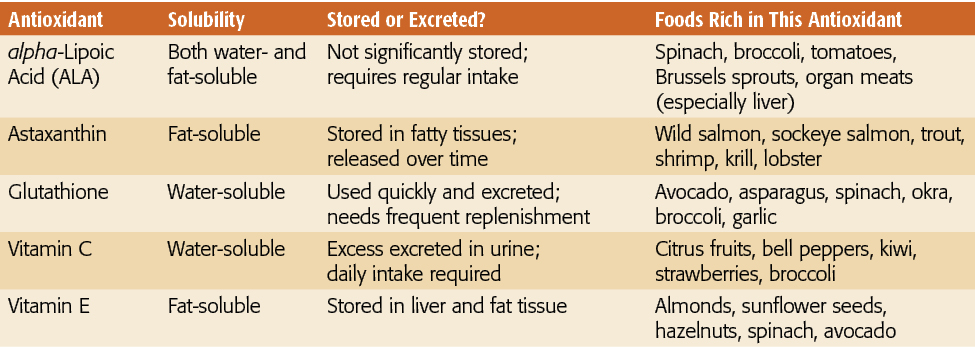
Indeed, not all antioxidants work the same way, in the same parts of your body, or provide the same benefits. Below are some antioxidants that prove how unique and potent they can be when used in appropriate cases.
alpha-Lipoic Acid (ALA)
alpha‑Lipoic acid is a water- and fat-soluble antioxidant, which plays a role in its versatility in supporting cellular and tissue damage (recall oxidative stress). ALA is naturally found in animal tissues with high metabolic activity, such as organ meats like heart, liver, and kidneys, as well as in some vegetable sources like broccoli, tomatoes, peas, Brussels sprouts, and rice.[15] ALA exerts significant actions in slowing the onset of metabolic syndrome and neurodegenerative diseases, as well as chronic disease like diabetes and diabetic neuropathy.[16]
Astaxanthin
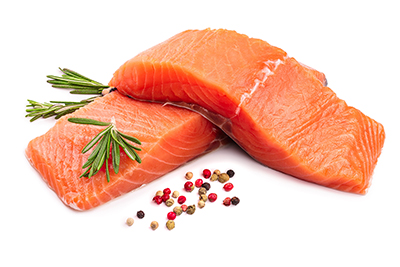
Asthaxanthin is a carotenoid (precursor of vitamin A) and a natural pink or red pigment found in microalgae and seafood such as salmon and krill. It is a potent natural antioxidant that interestingly may be up to 6,000 times stronger than vitamin C. Astaxanthin is becoming more widely available in antiaging and skin-health supplements for its abilities to protect skin from UV radiation, modulating inflammation, and optimizing endurance.[17], [18]
Glutathione
Glutathione (GSH) is an essential molecule produced inside almost every cell in your body, but it’s made in especially high amounts in organs that play a big role in detoxification and antioxidant defense such as the liver, lungs, intestines, and immune cells. It is also known as the “Master Antioxidant.” It also plays key roles in energy production (mitochondrial health), immune function, skin health, delaying aging processes, and chronic illness, among many others.[19] Glutathione stores are depleted by stress, alcohol consumption, poor diet, pollution, aging, infections, and chronic illness. Glutathione stores can be repleted with enough sleep and the consumption of sulphur-rich vegetables like garlic, broccoli, onions, and whey protein, which is rich in cysteine; phytonutrients such as turmeric and milk thistle; and selenium, vitamin C, and N-acetylcysteine (NAC), which is a precursor of GSH.[20], [21], [22]
Vitamin C
Vitamin C (ascorbic acid) is a potent water-soluble antioxidant that is a cofactor for enzymes involved in biosynthesis and gene regulation, and it contributes to the body’s immune defences. Vitamin C supports skin-barrier function and collagen production, enhances innate and adaptive immune system function (including eradicating microbial infections), improves adrenal function (think stress response), and synergizes with other antioxidants like vitamin E.[23]
Vitamin E (alpha- or α-tocopherol)
Vitamin E is the collective name for a group of fat-soluble compounds (alpha-, beta-, gamma-, and delta-tocopherol; and alpha-, beta‑, gamma-, and delta-tocotrienol) with varying levels of antioxidant activities. alpha-Tocopherol is the main form of vitamin E the body maintains, thanks to a special liver protein. Other forms, like gamma-tocopherol and tocotrienols, are also absorbed and offer unique benefits, though they are not stored as long. Overall, vitamin E is primarily known for its impact in preventing and delaying heart disease, cancer, eye disorders, and cognitive decline—presumably for its roles in anti-inflammatory processes, inhibition of platelet aggregation, and immune enhancement.[24]
Caution with Antioxidants
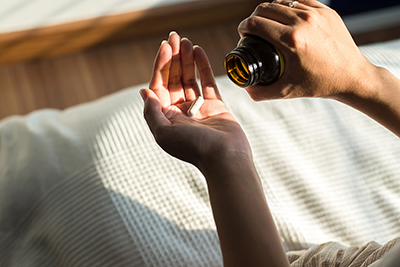
Do note that antioxidant supplements are never meant to replace a healthy diet or conventional medical care, and are not a reason to postpone seeing a health-care practitioner about a medical problem. Antioxidant supplements can also potentially interact with medications or other supplements, or even exacerbate existing conditions. For example, high-dose beta-carotene supplements have been linked to an increased risk of lung cancer in smokers and asbestos workers.[25] As well, high-dose vitamin E supplements may increase the risk of prostate cancer and the risk of bleeding by interfering with blood clotting (for those taking anticoagulant or antiplatelet medications).[26], [27]
The Bottom Line Is That Antioxidants Are Fundamental
Antioxidants are rightfully getting more traction in terms of awareness and getting these important compounds more accessible (as in implementing them in everyday routine, food, and supplementation). They are fundamentally necessary as they protect our bodies on a deeper cellular level and extend benefits from our immune system to our skin—quite literally from the inside out!

Dr. Kim Abog, ND
Dr. Kim Abog is a registered naturopathic doctor and doula based in Toronto, Ontario. She has a special interest in fertility and reproductive health. She helps people by facilitating health-management plans with them, connecting them to evidence-informed integrative health solutions, and helping them thrive.
kimabog.com
References
[1] İ. Gulcin. “Antioxidants: A comprehensive review.” Archives of Toxicology 99, no. 5 (2025): 1893–1997.
[2] [No author listed.] “Free radicals vs. reactive oxygen species: What’s the difference?” Cell Guidance Systems. https://www.cellgs.com/blog/free-radicals-vs-reactive-oxygen-species-whats-the-difference.html · Accessed 2025‑07‑26.
[3] İ. Gulcin, op. cit.
[4] G. Pizzino, N. Irrera, M. Cucinotta, G. Pallio, F. Mannino, V. Arcoraci, F. Squadrito, D. Altavilla, and A. Bitto. “Oxidative stress: Harms and benefits for human health.” Oxidative Medicine and Cellular Longevity (2017): 8416763.
[5] C. Zehiroglu and S.B. Ozturk Sarikaya. “The importance of antioxidants and place in today’s scientific and technological studies.” Journal of Food Science and Technology 56, no. 11 (2019): 4757–4774.
[6] İ. Gulcin, op. cit.
[7] D.A. Averill‑Bates. “The antioxidant glutathione.” Vitamins and Hormones 121 (2023): 109–141.
[8] M. Hauer, A.M. Rossi, B.C. Wertheim, H.B. Kleppel, J.W. Bea, and J.L. Funk. “Dietary supplement use in women diagnosed with breast cancer.” The Journal of Nutrition 153, no. 1 (2023): 301–311.
[9] F.J. He, C.A. Nowson, M. Lucas, and G.A. MacGregor. “Increased consumption of fruit and vegetables is related to a reduced risk of coronary heart disease: Meta-analysis of cohort studies.” Journal of Human Hypertension 21, no. 9 (2007): 717–728.
[10] M.C. Mathew, A.‑M. Ervin, J. Tao, and R.M. Davis. “Antioxidant vitamin supplementation for preventing and slowing the progression of age-related cataract.” The Cochrane Database of Systematic Reviews 2012, no. 6 (2012): CD004567.
[11] J. McCleery, R.P. Abraham, D.A. Denton, A.W. Rutjes, L.‑Y. Chong, A.S. Al‑Assaf, D.J. Griffith, et al. “Vitamin and mineral supplementation for preventing dementia or delaying cognitive decline in people with mild cognitive impairment.” The Cochrane Database of Systematic Reviews 11, no. 2 (2018): CD011905.
[12] I. Milisav, S. Ribarič, and B. Poljsak. “Antioxidant vitamins and ageing.” Sub-Cellular Biochemistry 90 (2018): 1–23.
[13] A.W.S. Rutjes, D.A. Denton, M. Di Nisio, L.‑Y. Chong, R.P. Abraham, A.S. Al‑Assaf, J.L. Anderson, et al. “Vitamin and mineral supplementation for maintaining cognitive function in cognitively healthy people in mid and late life: A Cochrane review.” BJPsych Advances 26, no. 1 (2020): 2.
[14] US Preventive Services Task Force; C.M. Mangione, M.J. Barry, W.K. Nicholson, M. Cabana, D. Chelmow, T.R. Coker, E.M. Davis, et al. “Vitamin, mineral, and multivitamin supplementation to prevent cardiovascular disease and cancer: US Preventive Services Task Force recommendation statement.” JAMA 327, no. 23 (2022): 2326–2333.
[15] F. Superti and R. Russo. “alpha‑Lipoic acid: Biological mechanisms and health benefits.” Antioxidants 13, no. 10 (2024):1228.
[16] H. Nguyen, M.V. Pellegrini, and V. Gupta. “alpha‑Lipoic acid.” In: StatPearls [Internet]. Treasure Island (FL): StatPearls Publishing; 2026 Jan. 2024 Jan 26.
[17] G. Bjørklund, A. Gasmi, L. Lenchyk, M. Shanaida, S. Zafar, P.K. Mujawdiya, R. Lysiuk, et al. “The role of astaxanthin as a nutraceutical in health and age-related conditions.” Molecules 27, no. 21 (2022): 7167.
[18] M. Sztretye, B. Dienes, M. Gönczi, T. Czirják, L. Csernoch, L. Dux, P. Szentesi, and A. Keller‑Pintér. “Astaxanthin: A potential mitochondrial-targeted antioxidant treatment in diseases and with aging.” Oxidative Medicine and Cellular Longevity 2019 (2019): 3849692.
[19] G. Gandhi, S.K. Malhotra, T. Kaur, S. Tyagi, and R.L. Bassan. “Glutathione: The master antioxidant—Beyond skin lightening agent.” Pigment International 8, no. 3 (2021): 144–152.
[20] Ibid.
[21] D.M. Minich and B.I. Brown. “A review of dietary (phyto)nutrients for glutathione support.” Nutrients 11, no. 9 (2019): 2073.
[22] M.S. Trivedi, D. Holger, A.T. Bui, T.J.A. Craddock, and J.L. Tartar. “Short-term sleep deprivation leads to decreased systemic redox metabolites and altered epigenetic status.” PloS One 12, no. 7 (2017): e0181978.
[23] A.C. Carr and S. Maggini. “Vitamin C and immune function.” Nutrients 9, no. 11 (2017): 1211.
[24] [No author listed.] “Vitamin E. Fact sheet for health professionals.” National Institutes of Health.https://ods.od.nih.gov/factsheets/VitaminE-HealthProfessional/ · Accessed 2025‑07‑26.
[25] J. Kordiak, F. Bielec, S. Jabłoński, and D. Pastuszak‑Lewandoska. “Role of beta‑carotene in lung cancer primary chemoprevention: A systematic review with meta-analysis and meta-regression.” Nutrients 14, no. 7 (2022): 1361.
[26] D. Albanes, C. Till, E.A. Klein, P.J. Goodman, A.M. Mondul, S.J. Weinstein, P.R. Taylor, et al. “Plasma tocopherols and risk of prostate cancer in the Selenium and Vitamin E Cancer Prevention Trial (SELECT).” Cancer Prevention Research 7, no. 9 (2014): 886–895.
[27] K.N. Owen and O. Dewald. “Vitamin E toxicity.” In: StatPearls [Internet]. Treasure Island (FL): StatPearls Publishing; 2026 Jan. 2023 Feb 13.